
As we look towards the future of home security, the transition from AT&T Digital Life to new security plans is crucial. This shift not only marks a significant change but also sets the stage for innovative advancements in smart security systems by 2025.
Let's delve into the key changes and driving factors shaping the evolution of security technologies post-AT&T Digital Life.
Overview of 2025 Smart Security Plans After AT&T Digital Life
In the wake of the transition from AT&T Digital Life, the landscape of smart security plans is set to undergo significant changes by 2025. This shift marks a crucial turning point in the evolution of security technologies, driven by various factors shaping the future of home security.
Key Changes Expected in Smart Security Plans by 2025
- Integration of Artificial Intelligence (AI) and Machine Learning: Smart security systems are projected to become more intelligent and proactive in detecting and preventing security threats through the utilization of AI and machine learning algorithms.
- Enhanced Connectivity and Interoperability: The focus will be on creating seamless connectivity between different smart devices and platforms to provide a unified and cohesive security ecosystem for users.
- Advanced Biometric Authentication: Biometric authentication methods, such as facial recognition and fingerprint scanning, will become more prevalent in smart security systems to enhance user identification and access control.
- Increased Emphasis on Privacy and Data Security: With growing concerns over data privacy, smart security plans will prioritize robust encryption protocols and stringent data protection measures to safeguard user information.
Driving Factors Behind the Evolution of Security Technologies Post-AT&T Digital Life
- Rapid Technological Advancements: The continuous advancement of technology, coupled with the demand for more sophisticated security solutions, is propelling the evolution of smart security plans beyond the capabilities of AT&T Digital Life.
- Consumer Demand for Customization: Consumers are increasingly seeking personalized and tailored security solutions that cater to their specific needs and preferences, driving the need for more flexible and customizable smart security plans.
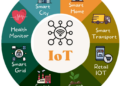
- Emergence of IoT Ecosystems: The proliferation of Internet of Things (IoT) devices in homes is creating opportunities for interconnected security systems that leverage the power of IoT to enhance overall security and automation.
Impact on Home Security Systems
With the shift from AT&T Digital Life to the anticipated 2025 smart security systems, there will be significant impacts on traditional home security systems. These changes will bring about advancements in technology and functionality, enhancing both safety and convenience for homeowners.
Comparison of Features
- AT&T Digital Life: Offered a range of smart home security devices such as cameras, sensors, and smart locks, all controlled through a centralized app.
- 2025 Smart Security Systems: Anticipated to feature even more advanced technology, including AI-powered cameras, facial recognition capabilities, and seamless integration with other smart home devices.
- Enhancements in Technology: The 2025 systems are expected to provide more personalized and intelligent security solutions, offering real-time alerts and predictive analysis to prevent potential threats.
Enhanced Safety and Convenience
- Remote Monitoring: Homeowners will be able to monitor their property from anywhere through smartphone apps, ensuring peace of mind and quick response to any security breaches.
- Automation: Smart security systems will enable automated actions such as locking doors, turning on lights, and adjusting temperature settings based on user preferences or detected activity.
- Integration with Other Devices: The 2025 systems are likely to seamlessly integrate with smart home devices like thermostats, smoke detectors, and voice assistants, creating a more comprehensive and interconnected security network.
Integration of AI and IoT in Security Measures
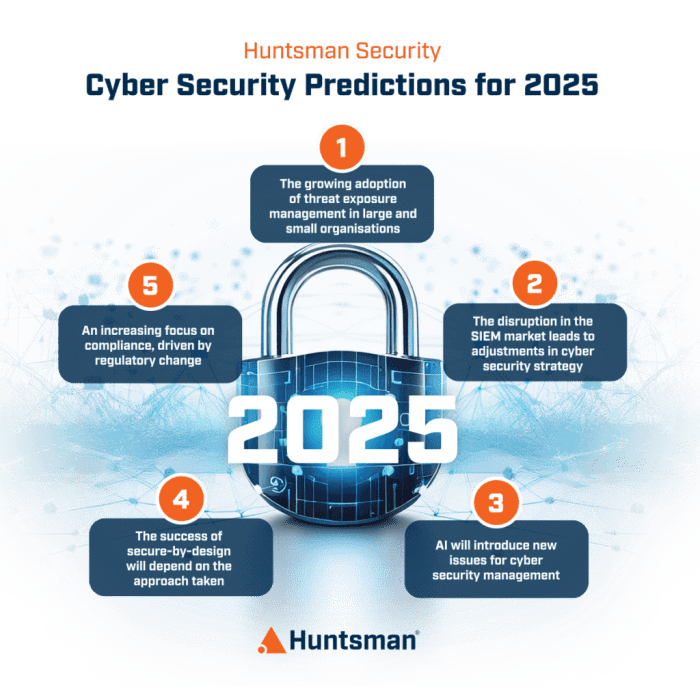
Artificial Intelligence (AI) and the Internet of Things (IoT) are set to revolutionize the landscape of smart security plans, offering advanced capabilities to enhance overall safety and protection.
Role of Artificial Intelligence (AI) in Future Security Solutions
AI will play a crucial role in analyzing vast amounts of data in real-time to identify potential threats and anomalies. By utilizing machine learning algorithms, AI can continuously improve security protocols and quickly adapt to emerging risks. Furthermore, AI-powered systems can differentiate between normal activities and suspicious behavior, reducing false alarms and enhancing the overall efficiency of security measures.
Incorporation of the Internet of Things (IoT) into Smart Security Plans
IoT devices such as smart cameras, sensors, and connected locks will be seamlessly integrated into smart security plans to create a comprehensive network of interconnected devices. These devices can communicate with each other and the central security system, providing real-time updates and alerts to homeowners.
The IoT ecosystem will enable automated responses to security incidents, such as locking doors, turning on lights, or triggering alarms based on predefined rules and user preferences.
Benefits of AI and IoT Integration for Enhancing Security Protocols
Improved Detection Capabilities
AI algorithms can detect patterns and anomalies that may go unnoticed by traditional security systems, enhancing the overall threat detection capabilities.
Enhanced Automation
IoT devices can automate security processes, such as arming/disarming systems, adjusting settings based on user behavior, and providing remote access for monitoring and control.
Real-Time Monitoring
The integration of AI and IoT enables continuous monitoring of security systems, allowing for immediate responses to potential threats and ensuring round-the-clock protection for homes and properties.
Data Analysis and Predictive Maintenance
AI can analyze historical data collected by IoT devices to predict potential security vulnerabilities and recommend preventive measures, enhancing the overall resilience of the security infrastructure.
Privacy and Data Protection Considerations
In the realm of advanced smart security systems, privacy and data protection are paramount concerns that must be addressed to ensure the safety and security of individuals and their information. As we look towards the 2025 smart security plans post AT&T Digital Life, it is crucial to design strategies that prioritize robust privacy protection measures.
Encryption and Secure Data Storage
In the 2025 smart security plans, one of the key focuses should be on implementing strong encryption protocols to safeguard sensitive data from unauthorized access. Encryption plays a critical role in ensuring that data transmitted between devices and stored in databases remains secure and protected from potential cyber threats.
By utilizing advanced encryption algorithms, such as AES (Advanced Encryption Standard), data can be effectively scrambled and encrypted, making it nearly impossible for hackers to decipher without the proper decryption keys.Moreover, secure data storage practices are essential in maintaining the integrity and confidentiality of personal information collected by smart security systems.
By leveraging secure cloud storage solutions with robust access controls and encryption mechanisms, data can be safely stored and accessed only by authorized individuals. Implementing regular security audits and updates to patch any vulnerabilities is also crucial in fortifying the overall data protection framework.In conclusion, encryption and secure data storage are fundamental components of privacy protection in modern security technologies.
By integrating these measures into the 2025 smart security plans, individuals can have greater confidence in the safety and confidentiality of their data within the evolving landscape of smart security systems.
Epilogue
In conclusion, the journey towards 2025 smart security plans after AT&T Digital Life is one filled with promise and potential. With the integration of AI, IoT, and enhanced privacy measures, the future of home security looks brighter and more sophisticated.
Stay tuned for the exciting developments that lie ahead in safeguarding our homes and loved ones.
FAQ Corner
How will smart security plans in 2025 differ from AT&T Digital Life?
Smart security plans in 2025 are expected to offer more advanced features, seamless integration with AI and IoT, and enhanced privacy protection compared to AT&T Digital Life.
What are the benefits of integrating AI and IoT into security measures?
AI and IoT integration can lead to more efficient monitoring, predictive security alerts, and customized solutions tailored to individual home security needs.
How can the 2025 security plans ensure robust data privacy?
By implementing encryption, secure data storage practices, and stringent privacy protocols, the 2025 security plans can effectively safeguard user data and privacy.