
“Home Security Trends Following AT&T Digital Life’s Exit” sets the stage for this enthralling narrative, offering readers a glimpse into a story that is rich in detail and brimming with originality.
As we delve into the aftermath of AT&T Digital Life's departure from the home security market, a new landscape of technological advancements and consumer preferences emerges.
Overview of AT&T Digital Life's Exit from Home Security Market
AT&T Digital Life's exit from the home security market came as a surprising move for many customers and industry experts alike. The company, known for its telecommunications services, had ventured into the home security sector with high hopes. However, in early 2020, AT&T made the decision to discontinue its Digital Life home security services.This departure has had a significant impact on the home security industry.
With AT&T being a major player in the market, its exit has created a void that other competitors are looking to fill. Customers who relied on AT&T Digital Life for their home security needs had to find alternative solutions, leading to a shift in the competitive landscape.One of the main reasons behind AT&T's decision to exit the home security market was the increasing competition and rapidly evolving technology landscape.
The company faced stiff competition from established home security providers as well as new entrants offering innovative solutions. Additionally, the ongoing costs associated with maintaining and upgrading home security infrastructure may have played a role in AT&T's strategic shift away from this sector.
Current Trends in Home Security Post AT&T Digital Life's Exit
With AT&T Digital Life's exit from the home security market, there have been significant shifts and developments in the industry. Let's explore the current trends shaping the landscape of home security systems.
Emerging Technologies in Home Security
Following AT&T Digital Life's exit, there has been a surge in the adoption of advanced technologies in home security systems. Companies are now focusing on integrating smart home devices, artificial intelligence, and machine learning algorithms to create more efficient and personalized security solutions.
Competitors Filling the Gap
Competitors in the home security market have seized the opportunity to fill the void left by AT&T Digital Life. Companies like ADT, Vivint, and SimpliSafe are expanding their offerings and enhancing their services to attract new customers and retain existing ones.
They are also investing in marketing campaigns to capitalize on the increased demand for home security solutions.
Consumer Reactions and Shifts in Preferences
With the departure of AT&T Digital Life, consumers have become more discerning in their choice of home security providers. They are now placing greater emphasis on reliability, customer service, and innovative features when selecting a security system for their homes.
Many consumers are also leaning towards companies that offer flexible contracts, DIY installation options, and mobile app integration for remote monitoring and control.
Technological Innovations Shaping the Future of Home Security
With the evolution of technology, the future of home security is becoming increasingly sophisticated and effective. New advancements in smart home security systems are revolutionizing the industry by providing homeowners with enhanced protection and peace of mind.
Advanced Surveillance Systems
- One of the key innovations in home security is the development of advanced surveillance systems that offer high-definition video monitoring and real-time alerts.
- These systems are equipped with features such as facial recognition, night vision, and two-way audio communication, allowing homeowners to monitor their property remotely and respond to potential threats promptly.
- Compared to traditional security cameras, these smart surveillance systems provide a higher level of security and convenience, making them a popular choice among homeowners.
Smart Sensors and Automation
- Another significant technological innovation in home security is the integration of smart sensors and automation tools.
- These sensors can detect movement, changes in temperature, and even the presence of smoke or carbon monoxide, triggering automated responses such as turning on lights or alerting authorities.
- By automating security measures, homeowners can enhance the effectiveness of their home security systems and respond quickly to emergencies.
Integration with Smart Home Devices
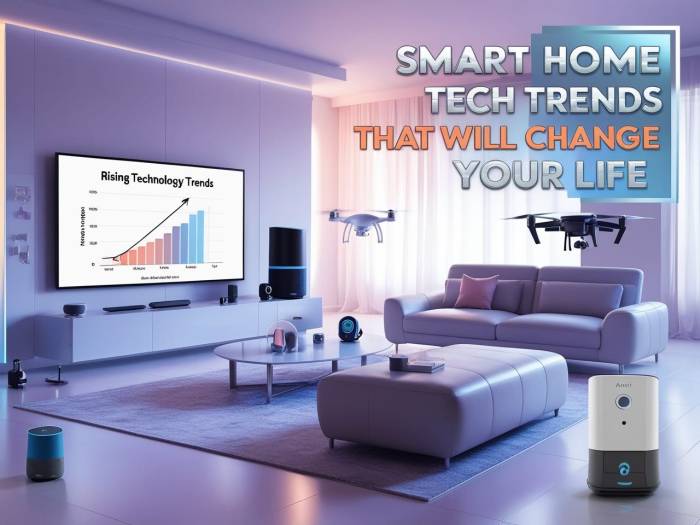
- New home security technologies are increasingly integrated with smart home devices such as smart locks, lights, and thermostats.
- This integration allows homeowners to control and monitor their security systems through a single platform, providing a seamless and convenient user experience.
- By leveraging the capabilities of smart home devices, homeowners can create a comprehensive security ecosystem that enhances the overall protection of their property.
Impact of AT&T Digital Life's Exit on Customer Experience
With AT&T Digital Life's exit from the home security market, customers have been impacted in various ways, affecting their overall experience and satisfaction levels.
Challenges in Transitioning to New Providers
- Customers may face challenges in transitioning to new home security providers due to differences in technology, pricing, and features offered.
- Adjusting to a new system and interface can be overwhelming for customers who were accustomed to AT&T Digital Life's platform.
- There might be concerns about data privacy and security when switching to a new provider, leading to hesitance among customers.
Best Practices for Ensuring a Seamless Experience
- Provide clear communication to customers about the transition process and what to expect when moving to a new home security provider.
- Offer training and support to help customers navigate the new system and understand the features and functionalities available.
- Ensure a smooth transition by assisting customers with the installation and setup of the new security system to minimize disruptions.
Wrap-Up
In conclusion, the impact of AT&T Digital Life's exit reverberates throughout the home security industry, paving the way for innovation and reshaping customer experiences.
FAQ Explained
What led to AT&T Digital Life's exit from the home security market?
AT&T's decision to discontinue its home security services was influenced by various factors such as market competition and strategic restructuring.
How are competitors adapting to fill the gap left by AT&T Digital Life?
Competitors are introducing new technologies and services to cater to the needs of customers previously served by AT&T Digital Life.
What are some emerging technologies in home security post AT&T Digital Life's exit?
Post AT&T's exit, emerging technologies include advanced smart home security systems and innovative monitoring solutions.
How has customer experience been impacted by AT&T Digital Life's exit?
The exit has prompted changes in customer preferences and satisfaction levels, leading to a shift in industry dynamics.